
MAN raises alarm over FTZ abuses, seeks special task force to protect local manufacturers


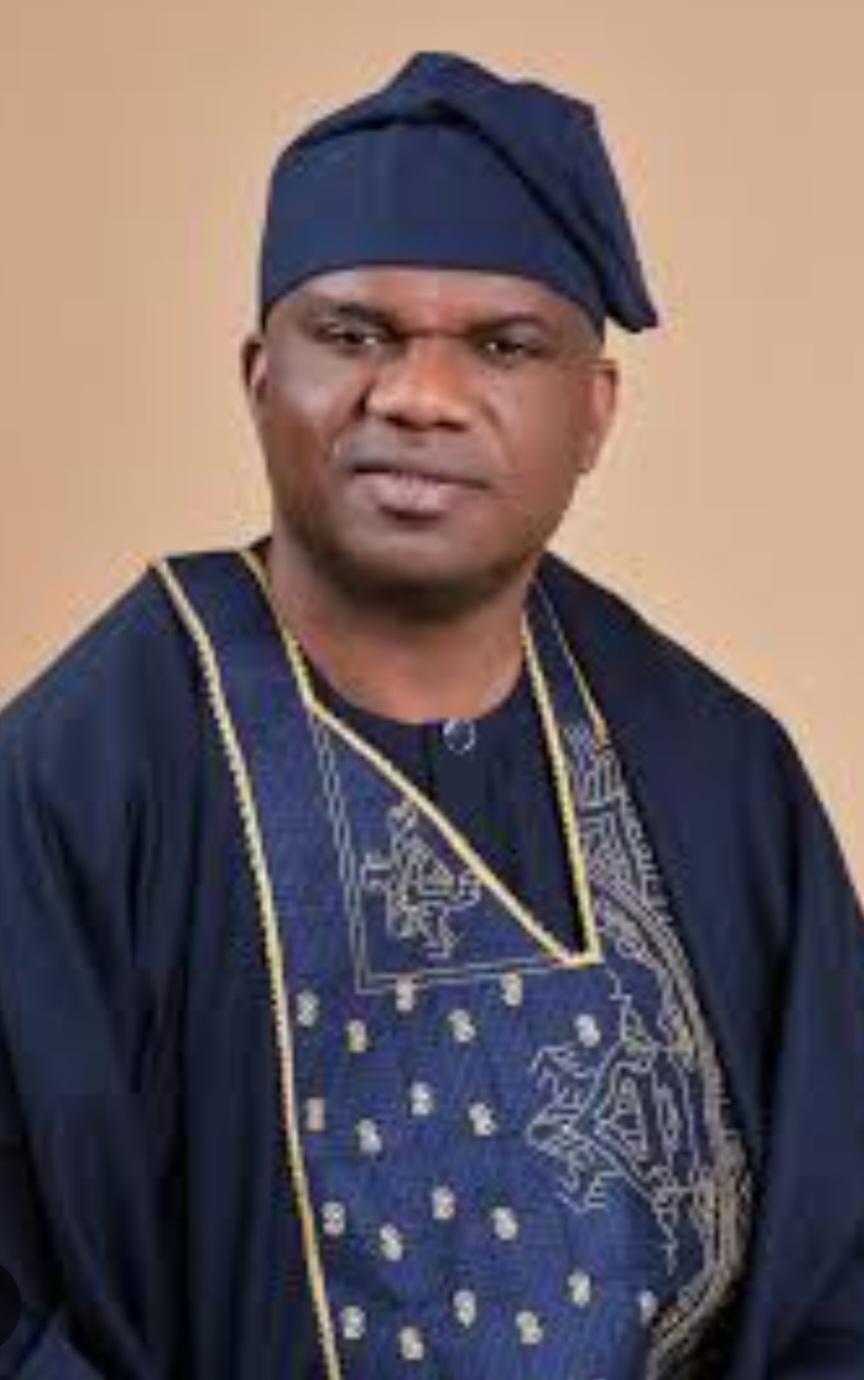
Prince Lekan Adewoye, Chairman, Basic Metals, Iron and Steel Manufacturers Sectoral Group
The Basic Metals, Iron and Steel Manufacturers Sectoral Group of the Manufacturers Association of Nigeria (MAN) has called on the Federal Government to set up a Special Task Force to investigate and recover revenue allegedly lost to malpractice by some operators within Nigeria’s Free Trade Zones (FTZs).
Chairman of the Group, Prince Lekan Adewoye, made the appeal in Abuja during an interaction with journalists, where he lamented what he described as weak regulatory oversight in the FTZs. He noted that the lapses have enabled some operators to exploit policy incentives without delivering the required value addition to raw materials imported into the zones.
According to Adewoye, several FTZ operators import finished and semi-finished steel products under the guise of raw materials, benefiting from tax incentives before channeling the products into the Customs territory without any form of processing. This, he said, has resulted in massive revenue leakages for the government while placing local manufacturers at a severe disadvantage.
He cited a case in Ogun State where a member-company of the Sectoral Group was forced to scrap nearly 80% of its installed capacity due to unfair competition with operators in the Igbesa FTZ.
“If this situation persists, many more steel manufacturers will collapse, and we risk losing not just investments but also jobs and industrial capacity built over decades,” Adewoye warned. “The government must urgently intervene to restore sanity and fairness to the FTZ system before local industries are driven into extinction.”
The MAN Sectoral Group Chairman emphasized that the Basic Metals and Iron & Steel sector remains central to Nigeria’s industrialization goals and has continued to support the Tinubu administration’s economic diversification agenda through value addition, employment creation, MSME development, industrial integration and import substitution—despite significant challenges.
Responding to the concerns, the Executive Secretary of the Nigeria Economic Zones Association (NEZA), Toyin Elegbede, assured that the association would not condone any act of sabotage by operators. He stressed that NEZA remains committed to ensuring that the objectives behind the creation of FTZs—namely industrial growth, export expansion and job creation—are fully realized.
Elegbede explained that the Standards Organisation of Nigeria (SON) maintains a presence in the FTZs to inspect and certify goods entering the Nigerian Customs territory.
Providing further clarification, SON’s Director of Product Certification, Engr. Enebi Onucheyo, revealed that the agency has developed and begun implementing a new regulatory scheme— the Special Economic Zones Conformity Assessment Programme (SEZCAP). Introduced in 2024, the scheme is designed to certify goods moving into and out of FTZs to ensure compliance with quality and safety standards.
According to him, SEZCAP aims to strengthen oversight of goods produced, imported or traded within the zones, guaranteeing that only certified products are sold in Nigeria or exported abroad. The programme is being implemented through SON’s state offices overseeing FTZ operations nationwide.
Stakeholders expect that the combined enforcement efforts, if strengthened and fully implemented, will help curb abuses in the FTZs, protect local manufacturers and restore confidence in Nigeria’s industrialization drive.
